

Okategoriserade
DMT Vape Pens: Effects, Risks, Duration, and What Research Says
Innehållsförteckning
Searches for “DMT vape pens” have surged in recent years, driven by podcast discussions, media coverage, and online curiosity about psychedelic experiences. N,N-Dimethyltryptamine (DMT) is a powerful hallucinogenic compound, and the emergence of vaporized delivery methods has created new public health concerns among medical professionals and researchers.
This article provides factual, research-based information about DMT vape pens from an educational and harm reduction perspective. It is not a guide for use, nor does it provide instructions, dosages, or sourcing information. Instead, it examines what medical literature, toxicology reports, and public health experts say about the psychological effects, physical risks, legal status, and dangers associated with vaping DMT.
Understanding why people search for information about vape pen DMT requires acknowledging both genuine curiosity and widespread misconceptions about safety. Many individuals believe vaporized substances are somehow “cleaner” or more controlled than other delivery methods. Medical evidence does not support this assumption, particularly with powerful hallucinogens like DMT.
Whether you’re researching for academic purposes, concerned about a loved one, or simply seeking factual information, this comprehensive overview prioritizes safety, legality, and evidence-based knowledge over sensationalism or promotion.
What Is a DMT Vape Pen?
A DMT vape pens refers to a vaporizing device modified or specifically created to deliver N,N-Dimethyltryptamine in aerosolized form. These devices typically resemble nicotine vape pens or cannabis vaporizers but contain DMT extract mixed with vape liquid or presented in crystalline form for vaporization.
The term encompasses various configurations, from refillable cartridges to disposable units, all designed to heat DMT to temperatures that create inhalable vapor without combustion. Unlike traditional methods of DMT administration studied in clinical research settings, these consumer devices lack standardization, quality control, or medical oversight.
Key characteristics of DMT vape pens:
- Deliver DMT through heated vaporization rather than smoking or oral ingestion
- Provide rapid onset of effects compared to other delivery methods
- Offer no dosage precision or consistency
- Contain unknown additives, cutting agents, or contaminants
- Exist entirely outside regulated medical or pharmaceutical frameworks
Populariteten för DMT pen vape devices reflects broader trends in substance delivery technology, where compounds traditionally consumed through smoking or other means are adapted to vaping formats. This technological shift does not reduce inherent risks and may actually introduce new dangers.
Medical researchers distinguish sharply between controlled clinical administration of DMT in research settings—where precise dosing, medical supervision, and psychological screening occur—and unregulated vaping devices obtained through illegal channels with no safety oversight whatsoever. To understand the broader context of this compound, see our comprehensive guide on what is DMT and its various forms.
How DMT Is Commonly Discussed in Research and Culture
DMT exists at the intersection of indigenous traditions, cutting-edge neuroscience, and underground recreational use, creating confusion about its nature and risks.
Traditional and Indigenous Context
DMT occurs naturally in numerous plant species and has been used for centuries in South American shamanic practices, most notably in ayahuasca ceremonies. These traditional contexts involve:
- Structured ceremonial settings with experienced guides
- Oral administration combined with MAO inhibitors
- Cultural and spiritual frameworks for interpretation
- Community support and integration practices
- Entirely different pharmacological profiles than vaporized synthetic DMT
The dmt vape pennas represents a completely different phenomenon from these traditional practices, lacking cultural context, preparation, integration support, or the extended duration characteristic of ayahuasca experiences.
Clinical Research Context
Recent scientific interest in psychedelics has led to controlled research on DMT’s effects on consciousness, depression, and neuroplasticity. This research involves:
- University and hospital settings with ethics board approval
- Rigorous participant screening for mental health conditions
- Medical supervision during administration
- Precise pharmaceutical-grade substances
- Structured psychological support before, during, and after experiences
- Careful dose control and safety monitoring
Clinical DMT research bears no resemblance to recreational vaping. Published studies consistently emphasize that findings should not be interpreted as endorsements for unsupervised use.
Recreational and Online Discussion
Internet forums, podcasts, and media coverage have popularized DMT beyond academic circles, often presenting incomplete or misleading information. Common misconceptions include:
- That DMT is “natural” and therefore safe (toxicity is unrelated to natural origin)
- That brief duration means limited risk (acute psychological crisis can occur within minutes)
- That vaping provides “controlled” experiences (no standardization exists)
- That lack of physical addiction means absence of harm (psychological trauma and acute dangers remain significant)
Public health experts express particular concern about DMT vape pen effects being discussed without adequate emphasis on psychological risks, legal consequences, and the complete absence of medical approval for any recreational use.
DMT Vape Pen Effects: What Studies and Reports Describe
Understanding the psychological effects of DMT reported in research and emergency medicine literature helps clarify why medical professionals strongly discourage unsupervised use.
Psychological and Perceptual Effects
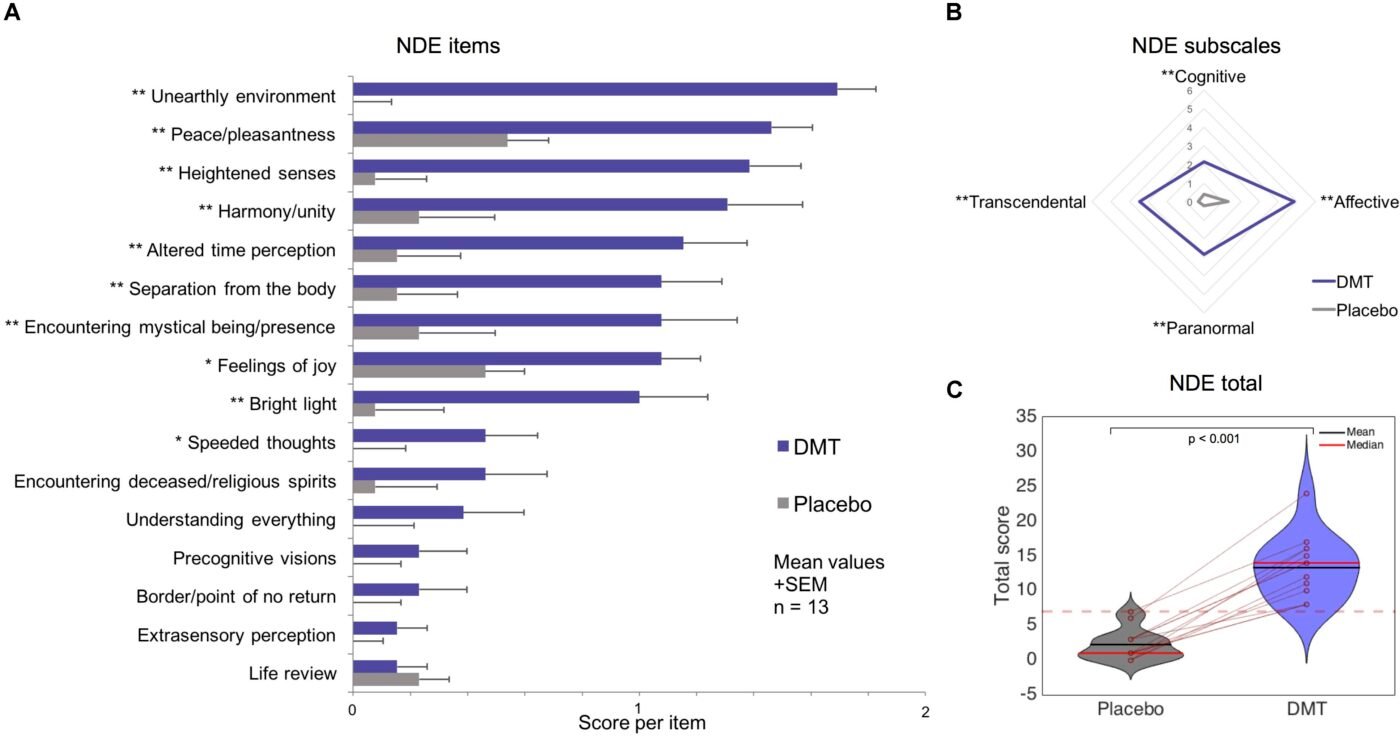
Clinical research and case reports describe DMT’s effects as among the most intense of any known psychoactive substance:
Perceptual alterations:
- Profound visual hallucinations including geometric patterns, entities, and complete environmental transformations
- Auditory distortions and perceived communications
- Synesthesia (sensory crossing, such as “seeing” sounds)
- Complete dissociation from physical environment and body
- Perception of alternate realities or dimensions
Cognitive and emotional effects:
- Ego dissolution or complete loss of self-identity
- Time distortion ranging from seconds feeling like hours to timelessness
- Overwhelming emotional states including terror, ecstasy, or profound confusion
- Sense of encountering intelligent entities or presence
- Mystical or spiritual experiences with lasting impact
Intensity characteristics:
- Effects described as “breakthrough” experiences involving complete departure from baseline reality
- Inability to communicate or respond to external stimuli during peak
- No capacity for reality testing during acute phase
- Experiences often described as more intense than any other psychedelic
Physical Effects and Bodily Responses
While DMT’s primary effects are psychological, physical responses occur and carry their own risks:
Cardiovascular changes:
- Rapid heart rate increase (tachycardia)
- Elevated blood pressure
- Increased oxygen demand on the heart
- Particularly dangerous for individuals with cardiovascular conditions
Neurological responses:
- Extreme pupil dilation
- Loss of motor coordination
- Difficulty or inability to speak
- Potential for seizures in susceptible individuals
- Respiratory pattern changes
Other physical manifestations:
- Nausea and sometimes vomiting
- Muscle tension and tremors
- Sweating and temperature regulation disruption
- Complete physical incapacitation during peak effects
Emergency medicine literature documents cases requiring medical intervention for severe cardiovascular stress, respiratory complications, and injuries sustained during periods of complete disorientation.
Unpredictability and Individual Variation
A critical aspect of DMT vape pen effects is their profound unpredictability:
- No correlation exists between prior psychedelic experience and DMT response
- Psychological set and setting dramatically influence outcomes
- Underlying mental health conditions may be triggered or exacerbated
- Same individual may have vastly different experiences on different occasions
- No way to predict who will experience terrifying versus neutral experiences
This unpredictability represents a fundamental safety concern that no amount of preparation can eliminate.
Duration and Onset: Why Vape Pens Increase Risk
The DMT vape pen duration and onset characteristics create unique dangers that distinguish vaping from other administration methods.
Rapid Onset Profile
Vaporized DMT produces effects within seconds to one minute of inhalation:
- Users transition from normal consciousness to complete dissociation almost instantaneously
- No gradual build-up allowing assessment or decision to stop
- Peak intensity reached within 2-3 minutes
- No opportunity to seek help or move to safer environment once effects begin
This extreme rapidity means users cannot respond to initial effects before losing capacity for rational thought or physical coordination. Learn more about the complete timeline in our guide on how long does DMT last across different administration methods. By contrast, oral DMT (as in ayahuasca) takes 30-60 minutes to onset, providing time to prepare psychologically.
Duration Characteristics and False Security
The relatively brief duration of vaporized DMT effects—typically 15-45 minutes total—creates a false sense of safety:
Why does brief duration increase rather than a decrease in risk:
- Intensity remains extremely high throughout a short window
- Users may repeatedly re-dose, compounding psychological stress
- Brief timeline provides no meaningful safety advantage during acute crisis
- Psychological trauma can occur in minutes, with lasting consequences
- Emergency response may be delayed because “it will be over soon”
Medical literature documents lasting psychological disturbances, including persistent anxiety, derealization, and trauma symptoms, from experiences lasting less than 30 minutes.
Dosage Inconsistency in Vape Devices
Vape pen DMT delivery provides no reliable dosage control:
- Cartridge potency varies wildly with no labeling standards
- Individual inhalation depth and duration affect dose dramatically
- Device heating variations change vaporization efficiency
- No visual or physical cues indicate dose before effects hit
- Tolerance develops rapidly, encouraging dangerous escalation
This inconsistency means users cannot predict experience intensity, even if they’ve used the same device previously. Each use represents an unpredictable risk.
Psychological and Mental Health Risks
The psychological effects of DMT extend beyond the acute experience into potential lasting mental health consequences.
Acute Psychological Crisis
Trauma from experience content:
During the DMT experience itself, users may encounter:
Terror and panic:
- Overwhelming fear response with no capacity for rational reassurance
- Sensation of dying, going insane, or being permanently trapped
- Complete loss of familiar reality markers
- Inability to remember having taken a substance
- Panic attacks that persist after effects diminish
Psychotic symptoms:
- Delusions and paranoid thoughts
- Inability to distinguish hallucinations from reality
- Perceived threats from entities or environments
- Lasting hours beyond the drug’s primary duration in some cases
Schizophrenia and psychotic disorders:
- Disturbing visions or entity encounters
- Forced confrontation with fears or traumatic memories
- Overwhelming existential terror
- Experiences described as psychological torture
Emergency departments regularly treat individuals in acute DMT-induced psychological crisis requiring sedation, psychiatric evaluation, and sometimes extended observation. For a complete overview of potential adverse reactions, read our detailed article on DMT side effects.
Risk for Pre-Existing Mental Health Conditions
DMT harm reduction research consistently identifies mental health screening as critical, yet impossible in unsupervised settings:
High-risk conditions:
Hallucinogen Persisting Perception Disorder (HPPD):
- DMT can trigger full psychotic episodes
- May precipitate first psychotic break in vulnerable individuals
- Can cause lasting exacerbation of symptoms
- Family history of psychosis constitutes major risk factor
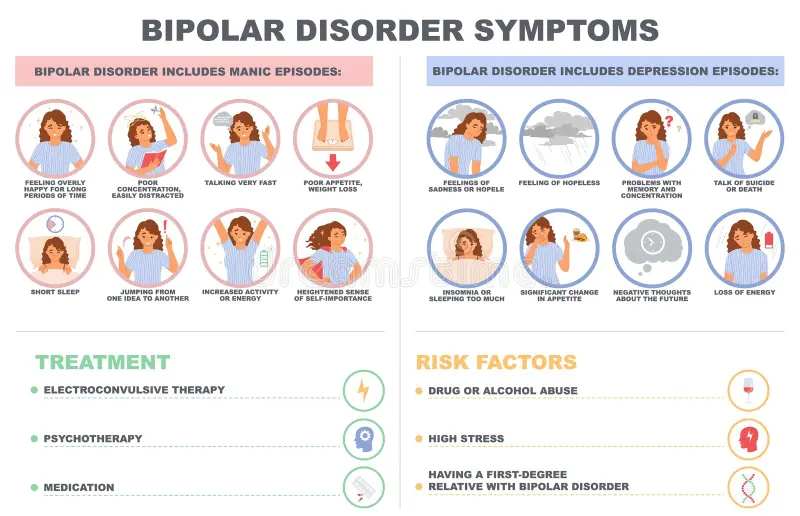
Bipolar disorder:
- Potential for manic episode triggering
- Severe depressive episodes following use
- Destabilization of mood regulation
- Interference with psychiatric medications . For comprehensive information about mental health considerations, see our article on DMT and pre-existing health conditions.
Anxiety and trauma disorders:
- PTSD symptom exacerbation
- Triggering of intense traumatic memories
- Development of new anxiety disorders
- Panic disorder onset or worsening
Depression:
- Potential for suicidal ideation during or after experience
- Severe dysphoria and existential crisis
- No evidence supporting antidepressant effects outside controlled research. While preliminary research exists, the reality is complex—read our analysis of DMT in mental health treatment to understand the distinction between clinical research and recreational use.
- Risk of psychological dependence as escape mechanism
Long-Term Psychological Consequences
Medical literature documents lasting effects in some users:
- Visual disturbances continuing after drug clearance
- Flashbacks to traumatic trip experiences
- Persistent derealization or depersonalization
- Significantly impaired quality of life
Post-Hallucinogen Perceptual Changes:
- Altered baseline perception of reality
- Difficulty integrating back into normal consciousness
- Existential confusion and meaning crisis
- Social and occupational impairment
Substance Use Patterns:
- Compulsive re-use despite negative consequences
- Psychological dependence on extreme experiences
- Escalating use patterns seeking initial intensity
- Neglect of responsibilities and relationships
The brief nature of DMT experiences does not protect against these lasting consequences.
Physical and Safety Risks of Vaping DMT
Beyond psychological dangers, risks of DMT vaping include significant physical and safety concerns.
Unknown Vape Cartridge Contents
Unlike pharmaceutical products, underground DMT vape cartridges contain unknown substances:
Contaminants and adulterants:
- Toxic cutting agents added to increase volume
- Heavy metals from poor manufacturing
- Pesticides or chemical residues from source materials
- Synthetic cannabinoids or other psychoactive adulterants
- Vitamin E acetate and other dangerous vape additives
Cases of severe lung injury, chemical pneumonitis, and toxic reactions have been documented from contaminated vape products across various substance categories.
Respiratory and Lung Health Concerns
Vaping any substance carries inherent respiratory risks:
- Lung irritation and inflammation
- Potential for chemical burns to airways
- Unknown long-term pulmonary effects of vaporized DMT
- Risk of lipoid pneumonia from oil-based carriers
- Exacerbation of asthma and other respiratory conditions
The recent epidemic of vaping-associated lung injury (EVALI) demonstrates that vaping delivery systems can cause severe pulmonary damage, even with substances considered relatively benign.
Injury Risk from Incapacitation
The complete physical and mental incapacitation during DMT effects creates serious injury potential:
Common injury scenarios:
- Falls from loss of coordination and awareness
- Burns from dropped devices or proximity to heat sources
- Drowning risk if used near water
- Traffic accidents if used in vehicles
- Head trauma from uncontrolled movements
- Choking or aspiration risk
Users cannot protect themselves from environmental hazards during peak effects, and the rapidity of onset prevents moving to safer locations.
Cardiovascular Stress and Medical Emergencies
DMT vape pens effects on cardiovascular system pose acute risks:
- Sudden severe hypertension
- Cardiac arrhythmias
- Myocardial infarction (heart attack) in vulnerable individuals
- Stroke risk from blood pressure spikes
- Particularly dangerous for those with undiagnosed heart conditions
Emergency medicine reports document cardiovascular events in otherwise healthy young adults following DMT use, emphasizing unpredictable medical risk. A thorough examination of medical risks can be found in our DMT safety profile resource.
Drug Interactions and Contraindications
DMT interacts dangerously with numerous medications and substances, creating life-threatening complications in many cases.
Critical medication interactions include:
- MAO inhibitors (MAOIs): Can cause serotonin syndrome, a potentially fatal condition
- SSRIs and SNRIs: May reduce DMT effects but increase physical risks
- Blood pressure medications: Unpredictable interactions with DMT’s cardiovascular effects
- Lithium: Severe seizure risk when combined with psychedelics
- Stimulants: Compounded cardiovascular stress
For detailed information about specific medication combinations and their dangers, see our comprehensive guide on DMT drug interactions.
These interactions are particularly dangerous in unsupervised settings where no medical screening occurs and users may not recognize contraindicated medications.
Harm Reduction and Public Health Perspectives
Public health organizations worldwide emphasize that the only truly safe approach to DMT is abstinence, but harm reduction frameworks acknowledge reality-based strategies.
Why Health Organizations Discourage Use
Medical and public health consensus strongly advises against DMT use outside controlled clinical research:
Reasons for discouragement:
- No approved medical uses exist
- Impossible to screen for contraindications in unsupervised settings
- No quality control or safety testing of street products
- Significant psychological and physical risks
- Legal consequences carry lasting harm
- No emergency response available during acute crisis
- Lack of integration support for traumatic experiences
Organizations including the National Institute on Drug Abuse (NIDA), World Health Organization (WHO), and Substance Abuse and Mental Health Services Administration (SAMHSA) classify DMT as dangerous with no recognized therapeutic applications outside research protocols.
Education Over Instruction
Harm reduction philosophy prioritizes education without enabling:
Effective educational approaches:
- Factual information about risks and legal status
- Honest discussion of psychological dangers
- Clear distinction between clinical research and recreational use
- Emphasis on unpredictability and lack of control
- Information about mental health contraindications
What harm reduction does NOT include:
- Instructions for use or preparation
- Dosage recommendations
- Device selection guidance
- Encouragement or normalization of use
- Minimization of serious risks
Resources for Those Struggling with Substance Use
Individuals experiencing problematic substance use patterns or consequences from DMT should seek professional support:
Available resources:
- Addiction medicine specialists
- Psychedelic integration therapists
- Mental health crisis hotlines
- Substance use disorder treatment programs
- Psychiatric evaluation for underlying conditions
SAMHSA National Helpline (1-800-662-4357) provides free, confidential, 24/7 treatment referral and information services.
Supporting Others
If concerned about someone’s DMT use:
- Express concern without judgment
- Provide factual information about risks
- Encourage professional mental health evaluation
- Avoid enabling or participating in use
- Recognize that addiction-like patterns can develop despite lack of physical dependence
- Seek family support resources if needed
Legal Status of DMT Vape Pens
Understanding is DMT legal requires examining international and national regulatory frameworks.
United States Federal Classification
DMT is classified as a Schedule I controlled substance under the Controlled Substances Act:
Schedule I criteria:
- High potential for abuse
- No currently accepted medical use
- Lack of accepted safety for use under medical supervision
Legal consequences of DMT possession, manufacture, or distribution:
- Federal felony charges possible
- Prison sentences ranging from years to decades
- Substantial fines (up to $1 million for trafficking)
- Permanent criminal record affecting employment, housing, education
- Asset forfeiture provisions
- No distinction between personal use and distribution in many jurisdictions
DMT vape pens possession or sale carries identical legal penalties to other DMT forms. The vaping device itself may constitute drug paraphernalia charges with additional penalties.
State-Level Variations
While DMT remains federally illegal throughout the United States, some jurisdictions have modified enforcement:
Decriminalization measures:
- Several cities have deprioritized enforcement for personal possession
- Decriminalization does not mean legalization—DMT remains illegal
- Penalties reduced but not eliminated
- Federal law supersedes local policies
- Distribution and manufacturing remain serious crimes
States with psychedelic policy reforms:
- Oregon: Measure 109 created psilocybin therapy framework (does not include DMT)
- Colorado: Natural Medicine Health Act (limited to specific substances, excludes synthetic DMT)
- Local initiatives in Oakland, Santa Cruz, Denver, and others
No jurisdiction has legalized DMT for recreational use or made DMT vape pens legally available.
International Legal Status
DMT is controlled under the 1971 United Nations Convention on Psychotropic Substances:
Global prohibition:
- Illegal in most countries worldwide
- Severe penalties in many nations (including death penalty in some jurisdictions)
- International trafficking carries extreme sentences
- Possession while traveling internationally creates serious legal risk
Notable jurisdictions:
United Kingdom: Class A drug with maximum penalty of 7 years for possession, life imprisonment for distribution
Canada: Schedule III controlled substance, illegal to possess, produce, or distribute
Australia: Prohibited substance in all territories with harsh penalties
European Union: Prohibited in all member states with varying penalty structures
Ayahuasca exceptions: Some countries allow traditional ayahuasca ceremonies for indigenous or religious purposes, but this does not extend to synthetic DMT or vaping devices.
Legal Risk Considerations
Beyond criminal penalties, DMT-related charges create:
- Barriers to professional licensing (medical, legal, teaching, etc.)
- Immigration and visa complications
- Loss of federal student aid eligibility
- Child custody implications
- Security clearance disqualification
- Employment termination and future hiring difficulties
Legal consultation is essential for anyone facing DMT-related charges.
Why People Search for “DMT Vape Pen”
Understanding search motivations helps address underlying curiosity and concerns appropriately.
Curiosity and Media Influence
The surge in “DMT vape pens” searches correlates with:
Podcast and media coverage:
- High-profile discussions on popular podcasts
- Documentary features on psychedelics
- Celebrity accounts of DMT experiences
- Media coverage of psychedelic research renaissance
This exposure creates curiosity without conveying adequate risk information, leading to research-motivated searches.
Misconceptions About Safety and Control
Many searchers operate under false assumptions:
Common misconceptions driving searches:
- Belief that vaping is inherently safer than smoking
- Assumption that brief duration means limited risk
- Thinking that “natural” compounds are harmless
- Misunderstanding clinical research as endorsement for recreational use
- Belief that technology makes dangerous substances controllable
Educational content must directly address these misconceptions with factual information.
Academic and Professional Research
Legitimate informational searches include:
- Students researching psychopharmacology
- Journalists investigating substance use trends
- Healthcare providers seeking patient education resources
- Researchers studying substance use patterns
- Family members concerned about loved ones
- Policy advocates examining drug law reform
Providing accurate, comprehensive information serves these legitimate research purposes.
Harm Reduction Information Seeking
Some searchers have already decided to use DMT and seek safety information:
While this article does not provide use instructions, recognizing this motivation emphasizes the importance of:
- Clear communication about risks
- Information about psychological contraindications
- Emphasis on unpredictability
- Resources for addiction and mental health support
- Legal consequences information
The goal is discouragement through education rather than enabling through instruction.
What Medical and Academic Sources Say
Scientific consensus on DMT emphasizes significant concerns about unsupervised use.
Neuropharmacology Research Findings
DMT acts primarily as a serotonin receptor agonist, particularly at 5-HT2A receptors, the same mechanism underlying other classic psychedelics:
Neurological mechanisms:
- Disruption of default mode network activity
- Increased connectivity between brain regions normally segregated
- Altered thalamic filtering of sensory information
- Changes in temporal lobe and visual cortex activity
Research demonstrates these profound neurological changes occur within seconds of vaporized DMT administration, explaining the immediate and overwhelming nature of effects.
Clinical Research Context and Limitations
While recent years have seen increased academic interest in DMT:
Important distinctions:
- All clinical research uses pharmaceutical-grade substances
- Rigorous participant screening excludes high-risk individuals
- Medical supervision throughout administration
- Psychological support before, during, and after sessions
- Specific research questions about consciousness, not therapeutic applications
Dr. Rick Strassman’s foundational DMT research at University of New Mexico in the 1990s emphasized that findings should not be interpreted as supporting recreational use. Subsequent researchers have echoed this position consistently.
Absence of FDA Approval or Medical Endorsement
No form of DMT has FDA approval for any medical condition:
- Not approved for depression, PTSD, or any psychiatric indication
- No standardized therapeutic protocols exist outside research
- Insurance does not cover DMT-related treatments
- Prescriptions cannot legally be written for DMT
Claims about therapeutic benefits reference preliminary research, not established medical treatments.
Expert Medical Opinion
Leading researchers in psychedelic medicine consistently distinguish their work from recreational use:
Dr. Robin Carhart-Harris, head of psychedelic research at Imperial College London, emphasizes that clinical findings on psychedelics cannot be safely extrapolated to unsupervised use. The controlled setting, psychological preparation, and integration support are considered essential components, not optional additions.
Addiction medicine specialists note that while DMT doesn’t cause physical dependence like opioids, psychological patterns of compulsive use, neglect of responsibilities, and use despite negative consequences can develop—criteria for substance use disorder.
Toxicology and Emergency Medicine Perspectives
Emergency department physicians report:
- Increasing presentations of DMT-related psychological crises
- Difficulty managing agitated patients in acute psychedelic states
- Cardiac events in young adults following DMT use
- Respiratory complications from vaping-related lung injury
- Trauma cases from injuries sustained during incapacitation
These clinical observations inform strong medical discouragement of DMT use outside research protocols.
1. Is DMT legal anywhere?
DMT is illegal for recreational use in virtually all countries. It’s classified as Schedule I in the United States and similarly restricted globally under international treaties. Some jurisdictions have decriminalized personal possession, but this doesn’t make it legal—it only reduces penalties. Traditional ayahuasca ceremonies have limited legal protections in some areas, but this doesn’t extend to synthetic DMT or vape pens. No country has legalized DMT vape pens for any purpose.
2. Is vaping DMT safer than other methods?
No evidence supports vaping as safer than other DMT administration methods. Vaping introduces risks including unknown cartridge contents, lung irritation, toxic contaminants, and extremely rapid onset that prevents appropriate response. The brief duration doesn’t reduce psychological risks, and dosage inconsistency makes each use unpredictable. All DMT administration methods outside medical supervision carry significant dangers—vaping adds unique risks rather than reducing them.
3. Why do medical experts warn against DMT vape pens?
Medical professionals warn against DMT vape pens due to: severe psychological risks including psychosis and lasting trauma; cardiovascular dangers; complete inability to screen for mental health contraindications in unsupervised settings; unknown and potentially toxic vape cartridge contents; legal consequences; lack of quality control or dosage standardization; and absence of any approved medical use. The combination of extreme psychological intensity and uncontrolled delivery method creates unacceptable risk.
4. Are there approved medical uses for DMT?
DMT has no FDA-approved medical uses. While clinical research explores DMT’s effects on consciousness and potential applications, this research occurs in strictly controlled university and hospital settings with pharmaceutical-grade substances, rigorous screening, and medical supervision. No therapeutic protocols exist outside these research contexts, and findings should not be interpreted as supporting recreational use or self-administration.
5. What are the psychological effects of DMT?
DMT produces extremely intense psychological effects including complete dissociation from reality, profound visual and auditory hallucinations, ego dissolution, perceived entity encounters, overwhelming emotional states ranging from terror to ecstasy, and time distortion. Effects onset within seconds when vaporized and can be psychologically traumatic. Research describes DMT as producing the most intense alterations of consciousness of any known psychedelic, with unpredictable outcomes and significant risk of acute psychological crisis.
6. How long do DMT vape pen effects last?
Vaporized DMT effects typically last 15-45 minutes total, with peak intensity within 2-5 minutes of inhalation. However, this brief duration doesn’t reduce risk—psychological trauma can occur within minutes, and lasting consequences including anxiety disorders, HPPD, and trauma symptoms can persist indefinitely. The rapid onset and brief duration actually increase danger by providing no opportunity to respond appropriately once effects begin.
7. Can DMT cause lasting mental health problems?
Yes. DMT can trigger lasting psychological issues including HPPD (persistent visual disturbances), anxiety disorders, panic attacks, depersonalization/derealization disorders, PTSD from traumatic experiences, and precipitation of psychotic disorders in vulnerable individuals. Those with family history of schizophrenia face particular risk. The intensity and unpredictability mean even single uses can result in lasting psychological consequences requiring professional treatment.
8. What should I do if someone is having a bad reaction to DMT?
Call emergency services (911 in US) immediately if someone shows signs of medical emergency: chest pain, difficulty breathing, seizures, loss of consciousness, severe agitation, or self-harm risk. Move them to a safe location away from hazards. Do not leave them alone. Provide calm reassurance that effects will pass, but prioritize safety. Medical professionals need to know what substance was used for appropriate treatment—legal protections exist for seeking emergency help.
Final Thoughts: Education Over Experimentation
The emergence of DMT vape pens represents a concerning trend where powerful psychedelic compounds are made accessible through consumer technology, creating a false impression of safety and control. Medical evidence unequivocally demonstrates that DMT carries significant psychological, physical, and legal risks that no delivery method can eliminate.
This article has examined vape pen DMT from multiple perspectives—pharmacology, psychology, emergency medicine, public health, and law—all of which converge on the same conclusion: unsupervised DMT use poses serious dangers. The brief duration, rapid onset, and technological delivery format do not mitigate these risks and may actually compound them.
For those curious about psychedelic research, legitimate academic sources provide information without promoting dangerous experimentation. Clinical studies of DMT and other psychedelics occur under strict protocols specifically designed to prevent the harms common in recreational contexts.
If you or someone you know is struggling with substance use, mental health support is available through SAMHSA’s National Helpline (1-800-662-4357), which provides free, confidential, 24/7 referrals to treatment and support services.
Understanding risks of DMT vaping, legal consequences, and medical warnings enables informed decision-making. Education serves protection when it replaces experimentation, and knowledge of genuine risks proves more valuable than curiosity about intense experiences.
The psychological effects of DMT can be profound and lasting—both in positive ways within controlled therapeutic research and in devastating ways when used recreationally without safeguards. The critical difference lies in medical supervision, psychological screening, integration support, and legal frameworks that recreational DMT vape pens use categorically lacks.

 Swedish
  English
  German
  Spanish
  Italian
  Finnish
  Dutch
Dutch  Portuguese
  French