

Sin categoría
Can You Overdose on LSD and Die? The Medical Facts Explained

Ene
Índice
Can you overdose on LSD and die? This critical question concerns anyone who has used or is considering using this powerful hallucinogen. The straightforward medical answer is that fatal LSD overdose from the drug’s direct toxic effects is extraordinarily rare—no confirmed deaths from LSD toxicity alone have been documented in medical literature despite decades of use. However, this doesn’t mean LSD is without serious risks or that taking excessive amounts is safe.
Understanding is it possible to overdose on LSD requires distinguishing between pharmacological toxicity (the drug’s direct poisonous effects on the body) and the dangerous behaviors, psychological trauma, and indirect consequences that can result from taking too much. While LSD has an exceptionally high therapeutic index—meaning the difference between an active dose and a lethal dose is enormous—the psychological and behavioral effects of excessive consumption can absolutely be life-threatening.
The confusion surrounding LSD overdose stems from conflicting definitions. Medical professionals, law enforcement, emergency responders, and users often mean different things when discussing “overdose.” This comprehensive guide examines the scientific evidence, real risks, symptoms of taking too much, emergency response protocols, and the crucial distinction between direct toxicity and indirect dangers that make LSD a substance requiring informed respect and caution.
Understanding LSD Toxicity vs LSD Overdose
Clarifying terminology helps separate fact from fiction regarding LSD toxicity vs overdose.
What Does Overdose Actually Mean?
In medical terminology, overdose typically refers to:
- Consuming more of a substance than the body can safely process
- Reaching toxic levels that cause organ damage or failure
- Physiological crisis requiring emergency medical intervention
- Potentially fatal consequences from the drug’s direct effects
LSD toxicity refers specifically to poisoning from the chemical compound itself—damage to organs, cellular function, or metabolic processes caused by lysergic acid diethylamide. Can You Overdose on LSD
LSD’s Extraordinary Safety Margin
LSD demonstrates one of the highest therapeutic indices of any psychoactive substance:
Key toxicity facts:
- Active recreational dose: 50-200 micrograms (0.05-0.2 milligrams)
- Estimated lethal dose (LD50): 12,000+ micrograms in humans (extrapolated from animal studies)
- Safety margin: Approximately 60-100 times the recreational dose
- No documented deaths from LSD toxicity alone in medical literature
- Contrast with alcohol: Only 10x difference between intoxicating and lethal doses
The remarkable safety profile means can LSD cause death directly through poisoning is virtually impossible at doses anyone would realistically consume, even accidentally.
Why Fatal LSD Toxicity Is Extremely Rare
Physiological reasons:
- LSD doesn’t suppress respiratory function like opioids
- Doesn’t cause cardiovascular collapse like stimulant overdoses
- No organ failure mechanisms identified at high doses
- Body processes and eliminates LSD efficiently
- No cumulative toxic effects on liver or kidneys
Documented high-dose cases:
In rare documented cases where individuals consumed massive amounts (thousands of times normal doses):
- Eight individuals snorted crystalline LSD believing it was cocaine (1970s case study)
- Consumed estimated 1,000-7,000 times normal dose
- All experienced severe effects: coma, hyperthermia, respiratory distress
- All survived with medical intervention
- No permanent organ damage reported
This extreme case demonstrates that even astronomical doses, while creating medical emergencies, didn’t prove fatal with proper treatment. Can You Overdose on LSD
What Happens If You Take Too Much LSD
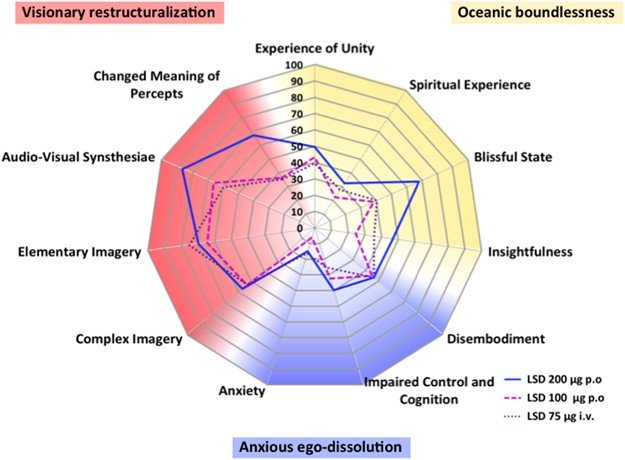
Understanding what happens if you take too much LSD separates physical toxicity from psychological crisis.
Physical Effects of Excessive LSD
Cardiovascular responses:
- Elevated heart rate (tachycardia)
- Aumento de la presión arterial
- Vasoconstriction (narrowing of blood vessels)
- Chest discomfort or tightness
- Generally not dangerous in healthy individuals
- Concerning for those with heart conditions
Neurological symptoms:
- Severe pupil dilation (mydriasis)
- Coordination impairment
- Tremors or muscle tension
- Hyperthermia (elevated body temperature)
- Profuse sweating
- Dizziness or vertigo
Gastrointestinal distress:
- Náuseas y vómitos
- Pérdida de apetito
- Abdominal discomfort
- Boca seca
Other physical manifestations:
- Hyperreflexia (exaggerated reflexes)
- Muscle weakness or numbness
- Blurred vision
- Insomnia lasting 12+ hours
These physical symptoms, while uncomfortable and concerning, rarely pose direct life-threatening risks in otherwise healthy individuals.
Psychological Crisis: The Real Danger
The truly dangerous aspects of LSD overdose symptoms and treatment involve psychological effects:
Severe psychological reactions:
- Overwhelming terror and panic
- Complete loss of reality contact (psychosis)
- Paranoid delusions
- Extreme confusion and disorientation
- Inability to distinguish hallucinations from reality
- Perceived threats leading to dangerous actions
- Suicidal or self-harm ideation
- Violent behavior (extremely rare but documented)
Distinguishing bad trip from overdose:
El difference between LSD overdose and bad trip is largely one of severity and duration:
Bad trip characteristics:
- Manageable with reassurance and environment change
- User maintains some connection to reality
- Anxiety and fear but not a complete psychotic break
- Typically resolves as drug wears off
Overdose-level psychological crisis:
- Complete disconnection from reality
- Unmanageable terror or paranoia
- Dangerous behavior risk
- May require sedation and hospitalization
- Potential for lasting psychological trauma
How Much LSD Is Considered an Overdose?
How much LSD is considered an overdose varies based on definition:
Psychological overdose threshold:
- Highly individual and unpredictable
- Can occur at doses as low as 200-400 micrograms for sensitive individuals
- More likely at 500+ micrograms
- Virtually certain at 1,000+ micrograms (1 milligram)
Factors affecting individual response:
- Previous psychedelic experience
- Mental health status
- Current psychological state (set)
- Environmental factors (setting)
- Genetic variations in serotonin receptors
- Interacciones medicamentosas
- Underlying psychiatric conditions
Toxicological overdose:
- Would require thousands of standard doses
- Practically impossible in recreational scenarios
- Requires deliberate massive consumption or mistake (confusing with other substance)
LSD Overdose Symptoms and Emergency Response
Recognizing emergency signs of LSD overdose enables appropriate intervention.
Symptoms Requiring Medical Attention
Immediate emergency response needed if:
- Loss of consciousness or severe disorientation
- Seizures or convulsions
- Extremely high body temperature (over 104°F/40°C)
- Chest pain or irregular heartbeat
- Difficulty breathing or respiratory distress
- Violent or suicidal behavior
- Self-harm attempts
- Severe paranoia with inability to recognize reality
- Symptoms persisting beyond 12-18 hours
Moderate concern symptoms:
- Severe anxiety or panic attacks lasting hours
- Persistent vomiting and dehydration risk
- Extremely elevated heart rate (over 130 bpm at rest)
- Complete confusion about identity or surroundings
- Flashbacks to traumatic experiences
What to Do During an LSD Overdose
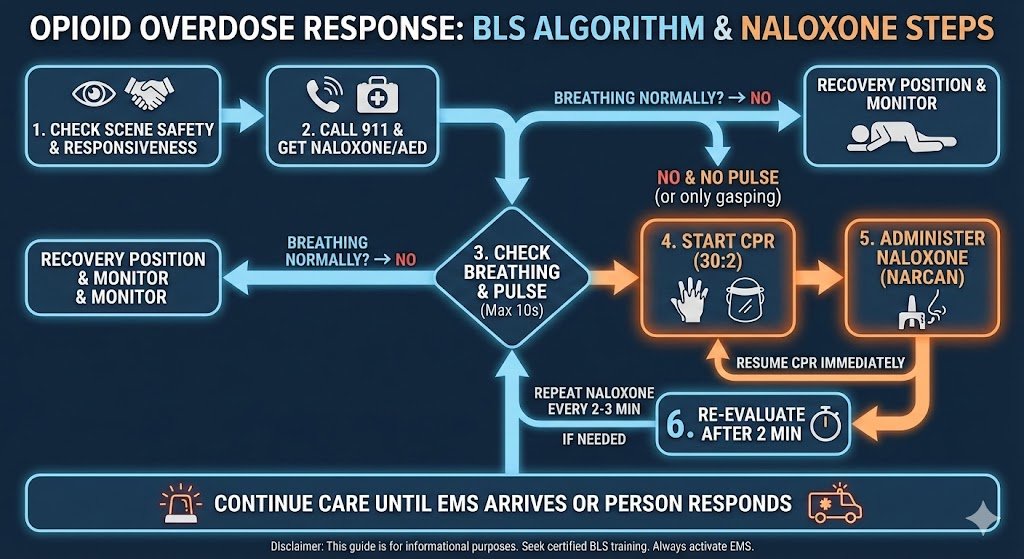
Immediate steps for crisis management:
- Ensure physical safety:
- Remove from dangerous environments (heights, traffic, water)
- Clear area of harmful objects
- Prevent wandering into hazardous situations
- Assign someone to monitor continuously
- Call emergency services if:
- Person poses danger to self or others
- Physical symptoms are severe (chest pain, breathing issues, seizures)
- Psychological state is completely unmanageable
- Uncertainty about what substances were consumed
- Create calming environment:
- Move to quiet, dimly lit space
- Minimize external stimulation
- Speak calmly and reassuringly
- Avoid crowds or chaotic settings
- Play gentle, calming music if helpful
- Provide reassurance:
- Remind person they’ve taken a drug and effects will pass
- Maintain calm, supportive presence
- Don’t argue with delusions or hallucinations
- Avoid sudden movements or loud noises
- Keep communication simple and clear
- Monitor vital signs if possible:
- Check breathing remains regular
- Note heart rate if trained
- Watch for overheating or excessive sweating
- Ensure adequate hydration (small sips of water)
- Do NOT:
- Leave person alone
- Attempt to physically restrain unless immediate danger
- Give other drugs or alcohol
- Induce vomiting
- Provide excessive stimulation
Medical Treatment Protocols
Does LSD require medical intervention in hospital settings?
Emergency room procedures:
- Benzodiazepines (Valium, Ativan) for severe anxiety and agitation
- Antipsychotics in extreme cases (though controversial)
- IV fluids for dehydration
- Cooling measures for hyperthermia
- Cardiac monitoring
- Quiet, low-stimulation observation room
- “Talk-down” therapy by trained staff
Hospital observation typically involves:
- Monitoring until symptoms resolve (6-12 hours usually)
- Preventing self-harm during acute crisis
- Psychological stabilization
- Assessment for underlying mental health conditions
- Follow-up mental health referrals
Medical staff are legally obligated to treat, not report, in most jurisdictions under Good Samaritan principles, though this varies by location. Can You Overdose on LSD
Indirect Dangers: When LSD Becomes Life-Threatening
Can LSD cause death indirectly through behavioral and situational risks?
Accidental Death and Injury
Documented indirect fatalities:
- Falls from heights due to impaired judgment
- Drowning from believing one can breathe underwater
- Traffic accidents while driving under the influence
- Hypothermia from wandering outside in cold
- Dehydration at concerts or raves
- Accidents from believing one can fly or is invincible
These deaths result from LSD drug effects on perception and judgment, not toxicity.
Trauma and Dangerous Behavior
Risk factors for dangerous actions:
- Complete loss of reality testing
- Delusions of invincibility or superhuman abilities
- Paranoid beliefs requiring defensive action
- Inability to recognize environmental hazards
- Impaired physical coordination
- Disorientation in unfamiliar environments
Real-world example:
A 20-year-old male took an estimated 800 micrograms at a music festival. During peak effects, he became convinced security guards were alien entities trying to abduct him. He fled into a wooded area at night, fell 15 feet into a ravine, and suffered serious injuries including a fractured skull. The LSD didn’t directly cause life-threatening toxicity, but the resulting behavior created a medical emergency.
Psychological Trauma and Long-Term Consequences
Can LSD trigger psychosis or paranoia with lasting effects:
Acute psychiatric crisis:
- Drug-induced psychosis lasting days or weeks
- Hallucinogen persisting perception disorder (HPPD)
- Flashbacks to traumatic trip experiences
- Panic disorder development
- Depersonalization/derealization disorder
Risk factors for lasting psychological harm:
- Predisposition to schizophrenia or psychotic disorders
- Family history of severe mental illness
- Existing anxiety or mood disorders
- Traumatic experiences during trip
- Very high doses
- Young age (adolescent brain development)
- Multiple traumatic psychedelic experiences
LSD effects on mental health disorders:
Research indicates LSD can trigger latent psychiatric conditions in vulnerable individuals, particularly schizophrenia in those genetically predisposed. While it doesn’t “cause” these conditions in those without risk factors, it can precipitate their emergence years earlier than they might have otherwise appeared.
Substance Abuse, Addiction, and Mixing Risks
Understanding LSD abuse patterns and combination dangers. Can You Overdose on LSD
Is LSD Addictive or habit-forming?
Is LSD addictive in the clinical sense?
Physical dependence:
- No physical withdrawal symptoms
- No physiological addiction mechanisms
- Rapid tolerance development prevents frequent use
- Tolerance resets after 3-5 days typically
Psychological patterns:
- Some users develop psychological dependency
- Habitual use despite negative consequences
- Escapism motivations
- LSD substance abuse without physical addiction
Abuse indicators:
- Using alone to escape reality
- Increasing frequency despite problems
- Neglecting responsibilities
- Relationship damage from use
- Using in clearly dangerous situations
Mixing LSD and Other Substances
Mixing LSD and alcohol risks:
- Unpredictable effects interaction
- Reduced judgment compounded
- Increased nausea and physical discomfort
- Memory blackouts more likely
- Diminished positive psychedelic effects
- Heightened confusion and disorientation
Dangerous drug combinations:
LSD + Stimulants (cocaine, amphetamines):
- Excessive cardiovascular stress
- Extreme anxiety and paranoia
- Unpredictable psychological reactions
- Risk of hyperthermia
- Heart attack risk in vulnerable individuals
LSD + Cannabis:
- Dramatically intensified effects
- Increased anxiety and paranoia
- More likely to trigger psychotic symptoms
- Overwhelming experiences for inexperienced users
LSD + SSRIs/Antidepressants:
- Reduced LSD effects (not dangerous)
- Potential serotonin syndrome with MAOIs (dangerous)
- Unpredictable interactions
LSD + Tramadol or other serotonergic drugs:
- Serotonin syndrome risk (potentially fatal)
- Symptoms: agitation, hyperthermia, muscle rigidity, seizures
Polydrug Use Complications
Emergency situations involving LSD often include multiple substances, complicating:
- Symptom identification
- Appropriate treatment protocols
- Risk assessment
- Outcome prediction
Always inform medical professionals about all substances consumed, even if illegal, for proper treatment.
Safe Recreational Use Guidelines
How much LSD is safe for recreational use and harm reduction strategies.
Dosage Safety Recommendations
Conservative dosing approach:
First-time users:
- Start with 50-75 micrograms maximum
- Have experienced sitter present
- Optimal environment ensured
- No mixing with other substances
Experienced users:
- 100-150 micrograms for manageable experience
- 150-200 micrograms for full effects
- Avoid exceeding 200 micrograms without specific reason
- Never exceed 400 micrograms
Microdosing (sub-perceptual):
- 10-20 micrograms
- No visual or strong psychological effects
- Primarily cognitive and mood benefits
- Less risk of psychological crisis
Set and Setting Optimization
Mental preparation (set):
- Positive, stable mood beforehand
- No recent trauma or major stressors
- Cleared schedule for 24+ hours
- Clear intentions or openness to experience
- No pressure or obligations
Environmental factors (setting):
- Safe, comfortable, familiar location
- Trusted companions only
- No unexpected interruptions
- Access to outdoor space ideal
- Temperature-controlled environment
- Availability of water, comfort items
Harm Reduction Essentials
Pre-experience checklist:
- Test substance with reagent kit when possible
- Know exact dosage (avoid “tabs” of unknown potency)
- Have experienced sober trip sitter
- Research medication interactions
- Screen for mental health contraindications
- Prepare comfort items and emergency contacts
- Inform someone trustworthy of plans
During experience best practices:
- Stay in safe, controlled environment
- Avoid driving, operating machinery, swimming alone
- Have benzodiazepines available for emergency (prescribed)
- Maintain hydration without overhydration
- Listen to calming music
- Change environment if negative turn occurs
Absolute contraindications:
Never use LSD if you have:
- Personal or family history of schizophrenia
- Active psychotic disorder
- Severe untreated depression
- Recent trauma without processing
- Heart conditions or high cardiovascular risk
- Pregnancy (effects on fetus unknown)
Long-Term Effects of LSD Abuse
Long term effects of LSD abuse differ from occasional use.
Chronic Use Consequences
Psychological impacts:
- HPPD (visual disturbances persisting after use)
- Increased anxiety or depressive symptoms
- Difficulty concentrating or memory issues
- Emotional regulation challenges
- Dissociation from reality
- Spiritual crisis or existential confusion
Cognitive effects:
- Processing speed may decrease
- Executive function impairment possible
- Motivation reduction (amotivational syndrome)
- Decision-making difficulties
- Reality testing impairment
Social and functional impairment:
- Relationship deterioration
- Academic or occupational problems
- Social isolation
- Legal consequences
- Financial difficulties from prioritizing drug use
Trastorno de Percepción Persistente de Alucinógenos (HPPD)
A rare but serious condition where visual disturbances persist:
Type 1 HPPD:
- Random, brief flashbacks
- Triggered by stress, darkness, or other drugs
- Usually resolves over months
Type 2 HPPD:
- Constant visual disturbances
- Trails, halos, geometric patterns
- Visual snow or static
- Severely impacts quality of life
- May persist years
- Treatment: clonidine, lamotrigine (variable effectiveness)
Risk factors:
- High doses
- Frequent use
- Polydrug use
- Underlying anxiety disorders
- Cannabis combination
Expert Medical Perspective
Dr. Charles Grob, psychiatrist and LSD researcher at Harbor-UCLA Medical Center, notes: “LSD’s pharmacological safety profile is remarkable—direct fatal toxicity is essentially non-existent. However, the psychological intensity and behavioral disinhibition can create genuinely dangerous situations. The greatest risks are indirect: accidents, trauma, and precipitation of psychiatric crises in vulnerable individuals.”
His research emphasizes that while hallucinogen overdose in the toxicological sense is rare, the term remains useful for describing psychological crisis states requiring emergency intervention.
Clinical experience in emergency departments shows most LSD-related presentations involve:
- Panic attacks (most common)
- Psychotic breaks requiring sedation
- Accidents and injuries from impaired judgment
- Mixed substance intoxication complicating presentation
Medical intervention focuses on symptom management rather than treating direct toxicity, with most patients fully recovered within 12-24 hours.
Conclusion: Can You Overdose on LSD
Can you overdose on LSD and die? The medical evidence demonstrates that fatal toxicity from LSD alone is extraordinarily rare to the point of being virtually impossible at recreational doses. No confirmed deaths from LSD toxicity have been documented despite millions of uses over six decades. The drug’s enormous safety margin means is LSD overdose life threatening from direct poisoning is not a realistic concern for users.
However, this doesn’t mean LSD is safe or that excessive consumption is without serious risks. What does an LSD overdose feel like psychologically can be utterly terrifying—complete psychotic breaks, overwhelming paranoia, and loss of reality contact that, while temporary, create genuine danger through behavioral consequences. Accidents, injuries, trauma, and psychological crises represent the real threats of psychedelic drug overdose.
Understanding the distinction between toxicological overdose and psychological crisis, recognizing symptoms requiring intervention, following harm reduction guidelines, and respecting contraindications enables informed decision-making. While LSD’s direct physiological risks are minimal, the psychological power demands caution, preparation, and awareness that can you overdose on LSD may have different meanings—but all require serious consideration.
Also read: ¿Cuánto tiempo permanece el LSD en el organismo? Desglose exhaustivo y Introducción al LSD como tratamiento terapéutico
1. Can you overdose on LSD and die from the drug itself?
Fatal LSD overdose from direct toxicity is extraordinarily rare—no confirmed deaths from LSD alone have been documented in medical literature. The estimated lethal dose is 60-100 times higher than recreational doses. However, LSD can cause death indirectly through accidents, dangerous behavior, or psychological crisis, making supervision and safe environments critical.
2. What are the symptoms of an LSD overdose?
LSD overdose symptoms include severe psychological effects like complete loss of reality, overwhelming terror, paranoid delusions, and confusion, along with physical symptoms like extremely elevated heart rate, hyperthermia, profuse sweating, severe pupil dilation, tremors, and vomiting. The psychological crisis represents the primary danger rather than organ toxicity.
3. How much LSD is too much and considered dangerous?
Doses above 200-400 micrograms significantly increase psychological crisis risk, though individual sensitivity varies greatly. Doses of 500+ micrograms are considered very high risk for overwhelming experiences. Toxicological overdose would require thousands of times the normal dose. The dangerous threshold is psychological, not toxicological, for most users.
4. What should you do if someone takes too much LSD?
Move them to a calm, safe environment away from hazards. Provide gentle reassurance that effects will pass. Monitor for dangerous behavior or severe physical symptoms. Call emergency services if they’re having seizures, chest pain, breathing difficulties, extreme hyperthermia, or are a danger to themselves or others. Don’t leave them alone.
5. Is the difference between a bad trip and LSD overdose significant?
Yes. A bad trip involves anxiety and fear but maintains some reality connection and typically responds to reassurance and environment changes. An overdose-level psychological crisis involves complete psychotic break, unmanageable terror, total reality loss, potential for dangerous behavior, and may require medical sedation and hospitalization.
6. Can LSD cause permanent psychological damage or psychosis?
LSD can trigger lasting psychological issues in vulnerable individuals, including persistent psychosis, HPPD (visual disturbances), panic disorders, and precipitation of latent schizophrenia in those genetically predisposed. Risk increases with high doses, frequent use, family history of mental illness, and use during adolescence when brain development is incomplete.
7. Is LSD addictive like other drugs?
LSD is not physically addictive—it causes no withdrawal symptoms or physical dependence. However, psychological dependence can develop where users habitually rely on it despite negative consequences. Rapid tolerance development (requiring 3-5 days to reset) naturally limits frequent use, making LSD addiction patterns different from substances like opioids or stimulants.
8. What are the most dangerous drug combinations with LSD?
The most dangerous combinations include LSD with MAO inhibitors (serotonin syndrome risk), tramadol or other serotonergic drugs (potentially fatal serotonin syndrome), and stimulants like cocaine or amphetamines (extreme cardiovascular stress and psychological crisis risk). Mixing with alcohol or cannabis significantly increases negative psychological effects and unpredictability.

 Spanish
  English
  German
  Italian
  Finnish
  Dutch
Dutch  Portuguese
  French
  Swedish